The thyroid gland plays an important role in maintaining the body's overall health. Although it is small and located at the front of the neck, it produces hormones that regulate metabolism, energy levels, heart rate, body temperature, and several other essential functions. When the thyroid gland produces too much or too little hormone, it can affect different systems throughout the body.
Thyroid disorders are common and may develop gradually, making their symptoms difficult to recognise in the early stages. Understanding their causes, warning signs, and available treatment options can help people take timely action. Seeking appropriate Thyroid Treatment in Jaipur can help individuals manage hormonal imbalances and maintain better overall health.
What Is the Thyroid Gland and Why Is It Important?
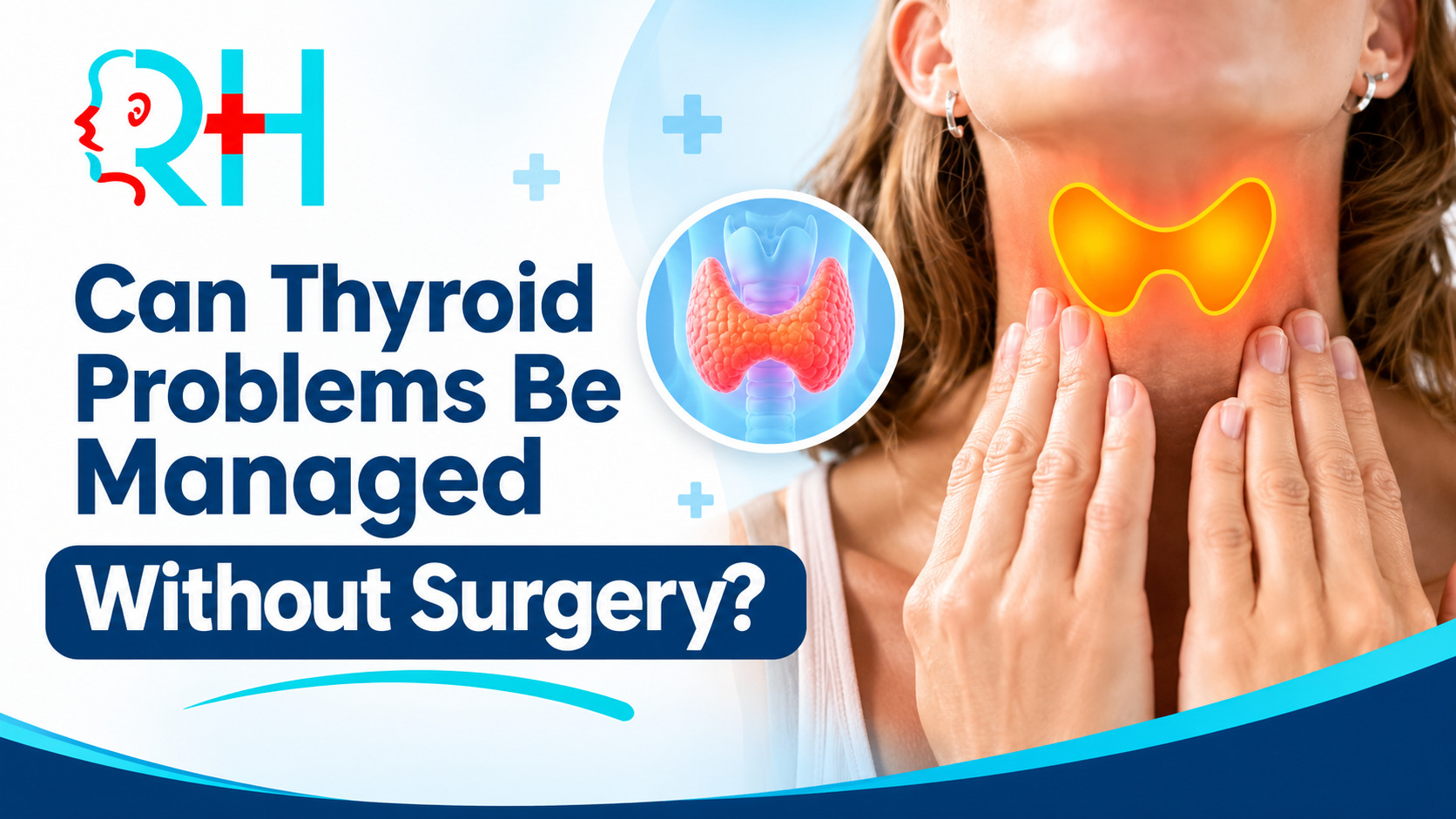
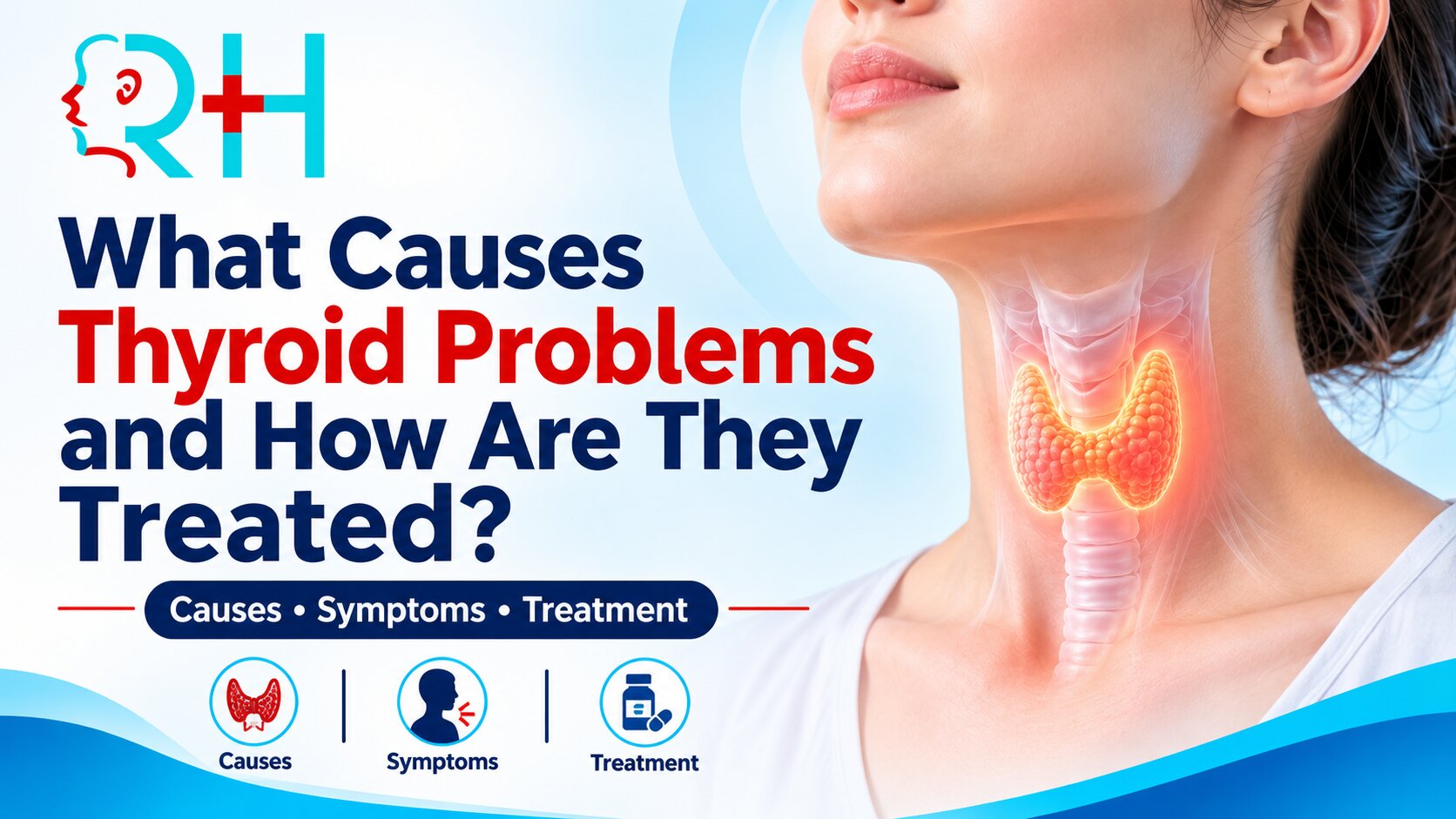
The thyroid is a butterfly-shaped endocrine gland situated in the front of the neck. It produces two primary hormones, thyroxine (T4) and triiodothyronine (T3), which influence how the body uses energy.
These hormones help regulate several important functions, including:
- Metabolism and energy production
- Heart rate and body temperature
- Digestion and bowel movements
- Weight management
- Brain development and concentration
- Skin, hair, and muscle health
When thyroid hormone levels become abnormal, the body may experience several physical and metabolic changes. Early diagnosis helps prevent complications associated with untreated thyroid conditions.
What Causes Thyroid Problems?
Thyroid disorders can develop due to several factors, including autoimmune conditions, nutritional deficiencies, genetics, and certain medical treatments.
1. Autoimmune Disorders
Autoimmune diseases are among the common causes of thyroid dysfunction. In these conditions, the immune system mistakenly attacks healthy thyroid tissue.
Hashimoto's thyroiditis can gradually reduce thyroid hormone production, leading to hypothyroidism. Graves' disease, on the other hand, may cause the thyroid gland to produce excessive hormones, resulting in hyperthyroidism.
2. Iodine Deficiency
Iodine is an essential mineral required for thyroid hormone production. When the body does not receive sufficient iodine, the thyroid gland may struggle to produce adequate hormones. In some cases, iodine deficiency can also contribute to thyroid enlargement, known as goitre.
3. Genetic Factors
A family history of thyroid disease may increase the likelihood of developing thyroid-related conditions. Genetic factors can influence how the immune system functions and how the thyroid gland regulates hormone production.
4. Hormonal Changes
Hormonal fluctuations during pregnancy, after childbirth, and during menopause can influence thyroid function. Some women develop postpartum thyroiditis, a condition that causes temporary inflammation of the thyroid gland after delivery.
5. Thyroid Nodules and Inflammation
Thyroid nodules are lumps that develop within the thyroid gland. Most are non-cancerous, but some may affect hormone production or require further examination. Thyroiditis, which refers to inflammation of the thyroid gland, can also interfere with normal thyroid function.
What Are the Common Symptoms of Thyroid Problems?
Thyroid symptoms depend on whether the gland produces too little or too much hormone. Recognising these changes can help people seek medical evaluation at the right time.
Symptoms of Hypothyroidism (Underactive Thyroid):
- Unexplained weight gain
- Persistent tiredness and weakness
- Increased sensitivity to cold
- Dry skin and hair loss
- Constipation
- Difficulty concentrating
- Irregular menstrual cycles
Symptoms of Hyperthyroidism (Overactive Thyroid):
- Unexplained weight loss
- Rapid or irregular heartbeat
- Excessive sweating
- Increased sensitivity to heat
- Anxiety and irritability
- Trembling hands
- Difficulty sleeping
Not everyone experiences the same symptoms. Some people may have mild thyroid dysfunction without noticeable warning signs, which makes appropriate testing important.
How Are Thyroid Problems Diagnosed?
An accurate diagnosis is the first step towards effective thyroid care. Doctors generally consider a patient's symptoms, medical history, physical examination, and laboratory reports before recommending treatment.
Common diagnostic methods include:
1. TSH Blood Test: The thyroid-stimulating hormone test is commonly used to evaluate thyroid function. Abnormal TSH levels may indicate an underactive or overactive thyroid.
2. T3 and T4 Tests: These blood tests measure thyroid hormone levels and help identify the nature of a hormonal imbalance.
3. Thyroid Antibody Tests: These tests help detect autoimmune thyroid conditions such as Hashimoto's thyroiditis and Graves' disease.
4. Thyroid Ultrasound: An ultrasound examination helps evaluate the size, structure, and presence of nodules within the thyroid gland.
5. Additional Investigations: Depending on the findings, doctors may recommend further investigations, such as a radioactive iodine uptake test or a thyroid nodule biopsy.
What Are the Available Thyroid Treatment Options?
The treatment approach depends on the underlying thyroid condition, hormone levels, symptoms, and overall health of the individual. There is no single treatment suitable for every thyroid disorder.
1. Medication for Hypothyroidism
Hypothyroidism is commonly managed with levothyroxine, a medicine that replaces the thyroid hormone the body cannot produce sufficiently. The dosage is adjusted according to blood test results and individual requirements.
Regular monitoring helps ensure that hormone levels remain within the recommended range.
2. Medication for Hyperthyroidism
Hyperthyroidism may be managed using antithyroid medicines that reduce excessive hormone production. In certain cases, doctors may also prescribe beta-blockers to control symptoms such as rapid heartbeat and tremors.
3. Radioactive Iodine Therapy
Radioactive iodine therapy may be recommended for selected patients with an overactive thyroid. It works by reducing the activity of thyroid cells responsible for producing excessive hormones.
4. Thyroid Surgery
Surgery may be considered when thyroid nodules are suspicious, the thyroid gland becomes significantly enlarged, or certain thyroid conditions do not respond adequately to other treatments.
The appropriate surgical approach depends on the diagnosis and individual medical requirements.
Why Is Regular Thyroid Monitoring Important?
Thyroid conditions often require long-term monitoring, even when symptoms improve. Regular blood tests help doctors understand how the body responds to treatment and whether medication adjustments are necessary.
People undergoing thyroid care in Jaipur should follow their prescribed treatment schedules and avoid changing medication dosages without medical advice.
Some helpful practices include:
- Taking prescribed medicines consistently.
- Attending recommended follow-up appointments.
- Maintaining a balanced diet with adequate iodine.
- Including regular physical activity in daily routines.
- Getting sufficient sleep and managing stress.
- Informing the doctor about new or worsening symptoms.
Healthy lifestyle habits can support overall well-being, but they should not replace medically recommended treatment.
When Should You Consult a Thyroid Specialist?
You should consider medical evaluation if you experience persistent fatigue, unexplained weight changes, unusual sweating, changes in heart rate, hair loss, or swelling around the neck.
People with a family history of thyroid disorders or those experiencing hormonal changes may also benefit from appropriate medical assessment.
For individuals looking for professional guidance regarding thyroid disorder management in Jaipur, Raj ENT Hospital provides a healthcare setting where patients can seek medical consultation and guidance for their concerns.
Early evaluation can help identify thyroid-related problems and determine an appropriate treatment plan before complications develop.
Conclusion
Thyroid problems can affect metabolism, energy levels, heart health, and overall well-being. They may develop due to autoimmune conditions, iodine deficiency, genetic factors, hormonal changes, or thyroid gland abnormalities. Fortunately, many thyroid disorders can be managed effectively through appropriate diagnosis, medication, monitoring, and other medically recommended treatments.
Understanding the symptoms and seeking timely medical advice are important steps towards maintaining healthy thyroid function. With proper medical guidance, regular follow-ups, and consistent care, individuals can manage thyroid conditions and support their long-term health.

Dr. Lalit Kiran Saini
Senior ENT Surgeon & Consultant at Raj ENT Hospital, Jaipur. With over 15+ years of clinical excellence, Dr. Saini specializes in microscopic ear surgery, endoscopic sinus surgery (FESS), cochlear implants, pediatric ENT care, and head & neck surgery.
Medical Disclaimer: The information in this article is published for educational and awareness purposes only and should not be used as a substitute for professional medical advice, clinical diagnosis, or medical treatment. Please consult a qualified ENT specialist at Raj ENT Hospital regarding any specific symptoms or health condition.