Your ears, nose, and throat work together every day, helping you hear, breathe, smell, swallow, speak, and maintain balance. So when something feels unusual—such as persistent ear pain, blocked nose, recurring sore throat, or difficulty hearing—it can be tempting to wait and see if it gets better.
Occasional symptoms are often minor, but persistent or recurring ear, nose, and throat problems may need professional evaluation. Knowing the common ENT conditions and their warning signs can help you decide when it is time to consult an ENT doctor in Jaipur.
In this guide, we discuss 10 common ENT problems, their symptoms, possible causes, and when you should seek medical attention.
What Are ENT Problems?
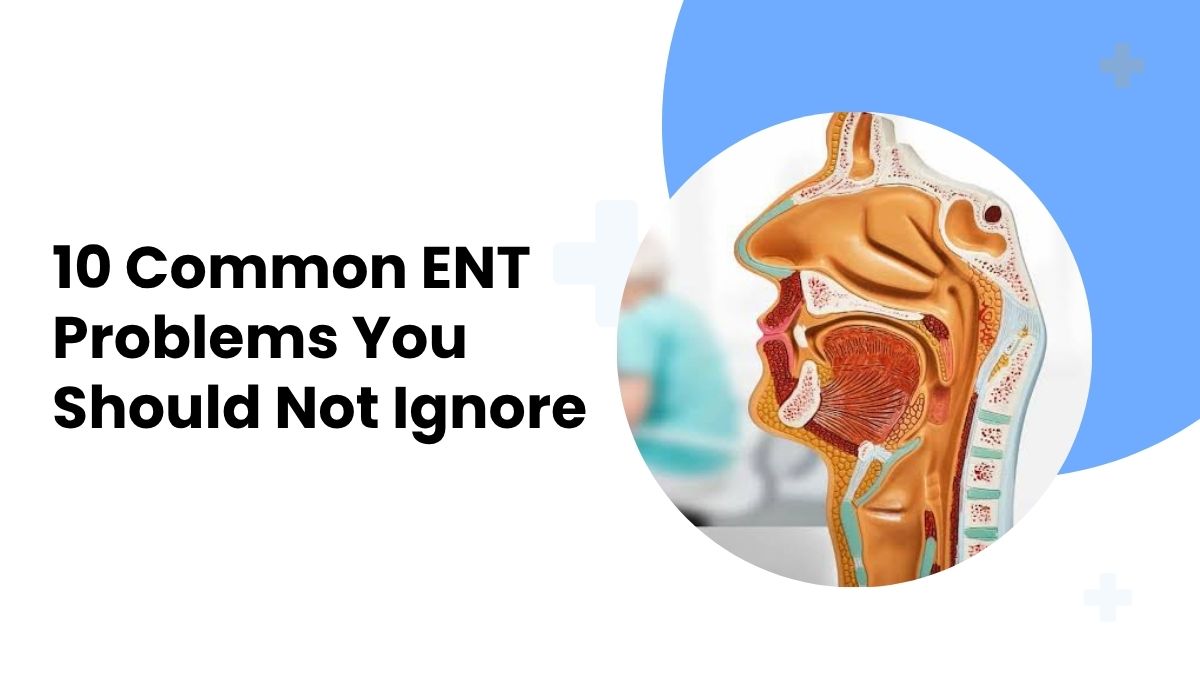
ENT problems are conditions affecting the ear, nose, throat, and related structures of the head and neck. They can range from common infections and allergies to conditions that require specialist treatment or surgery.
Common ENT symptoms include:
- Ear pain or discharge
- Hearing difficulty
- Ringing or buzzing in the ears
- Nasal congestion
- Frequent sneezing
- Loss of smell
- Facial pressure
- Sore throat
- Difficulty swallowing
- Hoarseness
- Snoring or breathing difficulties
If these symptoms persist, become severe, or repeatedly return, an ENT specialist can assess the underlying cause.
1. Ear Infections
Ear infections are among the most common ear nose and throat problems, particularly in children, although adults can experience them too. An infection may affect different parts of the ear and can develop after a cold, respiratory infection, or other condition.
Common symptoms include:
- Earache
- Feeling of fullness in the ear
- Temporary hearing difficulty
- Fever in some cases
- Fluid or discharge from the ear
Ignoring a persistent ear infection may allow complications to develop. A specialist can examine the ear and determine whether medication, observation, or further treatment is appropriate.
2. Hearing Loss
Hearing loss can develop gradually, making it easy to overlook. You may initially notice that conversations sound unclear, you need to increase the television volume, or you frequently ask people to repeat themselves.
Hearing loss can be associated with aging, prolonged exposure to loud sounds, ear wax, infections, certain medications, or problems affecting the inner ear.
Sudden hearing loss is particularly important because prompt medical assessment may be necessary.
An ENT doctor in Jaipur can evaluate your ears and hearing and may recommend hearing tests or additional investigations depending on the suspected cause.
3. Tinnitus
Do you hear ringing, buzzing, humming, or other sounds even when there is no external source? This may be tinnitus.
Tinnitus can be temporary—for example, after exposure to loud music—but persistent tinnitus should not simply be ignored.
It may occur alongside hearing loss, ear-related conditions, medication effects, or other underlying problems.
An ENT evaluation can help identify potential causes and determine whether hearing assessment or further investigation is needed.
4. Sinusitis
Sinusitis occurs when the tissues lining the sinuses become inflamed. It can develop after infections and may also be associated with allergies or structural problems inside the nose.
Typical symptoms include:
- Blocked or stuffy nose
- Facial pressure or pain
- Thick nasal discharge
- Reduced sense of smell
- Headache or facial discomfort
- Postnasal drainage
- Cough in some cases
If sinus symptoms repeatedly return or continue for a long time, an ENT Specialist in Jaipur can evaluate whether chronic sinusitis, allergies, nasal polyps, or another condition could be contributing.
5. Allergic Rhinitis
Sneezing repeatedly, having a runny or blocked nose, and experiencing an itchy nose or eyes may indicate allergic rhinitis.
Common triggers include dust, pollen, animal dander, and other environmental allergens. Jaipur's changing weather and airborne pollutants can also make nasal symptoms more noticeable for some people.
While occasional allergies may be manageable, persistent symptoms can interfere with sleep, concentration, work, and daily activities.
An ENT specialist can assess your symptoms and recommend an appropriate management approach based on the suspected triggers and severity.
6. Nasal Polyps
Nasal polyps are soft, non-cancerous growths that can develop in the lining of the nose or sinuses. Small polyps may cause few symptoms, while larger or multiple polyps can interfere with normal nasal airflow.
Possible ENT disease symptoms include:
- Persistent nasal blockage
- Reduced or lost sense of smell
- Runny nose
- Postnasal drip
- Facial pressure
- Difficulty breathing through the nose
Because nasal blockage can have several causes, including allergies, deviated septum, and sinus disease, an examination can help determine what is actually responsible.
7. Deviated Nasal Septum
The septum is the structure separating the two nasal passages. When it is significantly displaced to one side, it is called a deviated nasal septum.
Some people have no symptoms, while others may experience:
- Difficulty breathing through one or both nostrils
- Recurrent nasal congestion
- Mouth breathing
- Snoring
- Repeated sinus problems
- A feeling of blocked airflow
When symptoms are persistent and affect breathing or quality of life, an ENT Surgeon in Jaipur may evaluate whether medical treatment or a surgical option such as septoplasty could be appropriate.
8. Tonsillitis and Recurrent Throat Infections
Tonsillitis occurs when the tonsils become inflamed, commonly because of an infection. Symptoms can include sore throat, difficulty swallowing, swollen tonsils, fever, and sometimes swollen lymph nodes.
Most throat infections do not require surgery. However, recurrent or severe throat infections deserve medical evaluation.
If you frequently experience sore throats, enlarged tonsils, bad breath, swallowing difficulties, or sleep-related breathing problems, consult an ENT specialist to determine the underlying cause.
9. Voice Problems and Hoarseness
Your voice can change after shouting, singing, or having a respiratory infection. Usually, temporary hoarseness improves as the underlying irritation settles.
However, persistent hoarseness should be evaluated, especially when it does not improve or is accompanied by other symptoms such as difficulty swallowing, throat discomfort, or breathing problems.
Voice changes can have several causes, including vocal-cord irritation, reflux, infections, voice overuse, and other conditions. An ENT examination can help identify the source rather than treating the symptom blindly.
10. Snoring and Sleep-Related Breathing Problems
Snoring is common, but loud or persistent snoring should not always be dismissed as simply a sleeping habit.
In some people, snoring may be associated with obstructive sleep apnea, a condition in which breathing repeatedly becomes restricted during sleep.
Potential warning signs include:
- Loud, frequent snoring
- Pauses in breathing during sleep
- Gasping or choking sounds at night
- Excessive daytime sleepiness
- Morning headaches
- Difficulty concentrating
Because sleep-related breathing problems can affect overall wellbeing, appropriate evaluation is important. An ENT Specialist in Jaipur can examine the nose, throat, and upper airway and guide you toward suitable testing or treatment when required.
When Should You See an ENT Doctor?
Not every earache or sore throat requires an immediate specialist visit. However, you should consider professional evaluation when symptoms are:
- Persistent or repeatedly returning
- Getting progressively worse
- Affecting hearing or breathing
- Causing significant pain
- Associated with unexplained discharge or bleeding
- Affecting sleep or daily activities
- Accompanied by swallowing or voice difficulties
Sudden hearing loss, significant breathing difficulty, severe swelling, or other acute symptoms may require urgent medical attention rather than waiting for a routine appointment.
How an ENT Specialist Can Help
An ENT consultation generally begins with a discussion of your symptoms and medical history, followed by an examination of the relevant ear, nose, and throat structures. Depending on your symptoms, the specialist may recommend hearing tests, nasal or throat examination, imaging, endoscopy, or other investigations.
Treatment depends entirely on the diagnosis. It may involve medication, lifestyle or environmental measures, monitoring, hearing-related support, or surgery when clinically indicated.
This is why self-diagnosing every blocked nose, earache, or sore throat can be misleading. The same symptom can have very different causes.
Take Your ENT Symptoms Seriously
Your ears, nose, and throat can give you important clues about your health. A blocked nose that never clears, hearing that gradually deteriorates, recurring infections, persistent hoarseness, or loud snoring may deserve more attention than simply waiting for the symptoms to disappear.
The key is not to panic over every symptom—but not to ignore persistent or recurring problems either. If you are experiencing ongoing ear, nose, or throat symptoms, consulting an ENT doctor in Jaipur can help identify the cause and determine the appropriate next step.
Early evaluation can make it easier to understand your condition, manage symptoms appropriately, and protect your ear, nose, and throat health over the long term.
Frequently Asked Questions About Common ENT Problems
What are the most common ENT problems?
Common ENT conditions include ear infections, hearing loss, tinnitus, sinusitis, allergic rhinitis, nasal polyps, deviated septum, tonsillitis, voice problems, and snoring or sleep-related breathing disorders.
When should I consult an ENT Doctor in Jaipur?
You should consider consulting an ENT doctor when ear, nose, or throat symptoms persist, repeatedly return, become severe, or interfere with hearing, breathing, swallowing, sleep, or everyday activities.
What does an ENT Surgeon in Jaipur treat?
An ENT surgeon treats conditions involving the ear, nose, throat, and related head-and-neck structures. Surgery may be considered when appropriate after clinical assessment and when non-surgical treatment is insufficient or unsuitable.
Can ENT problems affect sleep?
Yes. Nasal obstruction, enlarged tonsils, chronic congestion, snoring, and sleep-related breathing disorders can interfere with sleep quality. An ENT evaluation can help identify possible upper-airway causes.
Are all ENT conditions treated with surgery?
No. Many ENT disorders can be managed with medication, observation, lifestyle measures, or other non-surgical approaches. Surgery is considered only when medically appropriate.