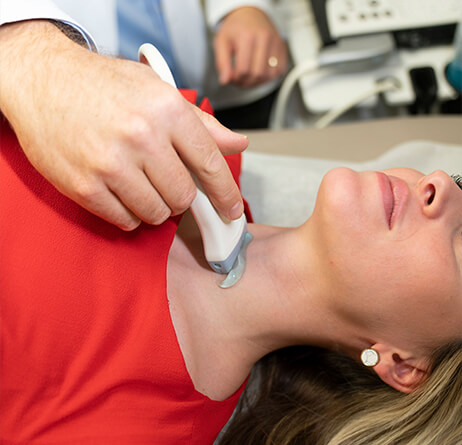
Thyroid is a small, butterfly-shaped gland located in the front of the neck, just below the Adam's apple. It plays a crucial role in regulating various metabolic processes by producing thyroid hormones — triiodothyronine (T3) and thyroxine (T4). These hormones influence metabolism, growth and development, body temperature, and energy levels. Thyroid disease is relatively common and can affect both men and women, though women are more likely to have thyroid problems due to hormonal factors:
Book AppointmentFactors Contributing to the Increase in Thyroid Diseases
- Hormonal Fluctuations The female reproductive system undergoes extensive hormonal changes during puberty, menstruation, pregnancy, and menopause — all of which can affect thyroid function and contribute to thyroid dysfunction.
- Autoimmune Conditions The most common cause of thyroid dysfunction is autoimmune in nature. Conditions such as Hashimoto's thyroiditis and Graves' disease occur when the immune system mistakenly attacks the thyroid gland, causing inflammation and dysfunction.
- Pregnancy and Postpartum Pregnancy can affect thyroid function due to changes in hormone levels. Some women may develop thyroid problems during or after pregnancy, such as postpartum thyroiditis.
- Genetic Factors There is a genetic predisposition to thyroid disorders. Women with a family history of thyroid problems may be at a higher risk.
It is important for individuals — especially women — to recognize the signs and symptoms of thyroid dysfunction and seek treatment if a problem is suspected. Regular checkups and thyroid function tests can help diagnose and manage thyroid disorders early.
Symptoms of Thyroid Disorders
Thyroid disorders can cause a variety of symptoms depending on whether the thyroid is underactive (hypothyroidism) or overactive (hyperthyroidism).
Hypothyroidism
- Autoimmune Thyroiditis (Hashimoto's Disease) The most common cause of hypothyroidism, where the immune system attacks the thyroid gland.
- Iodine Deficiency Iodine is essential for the production of thyroid hormones. A lack of iodine in the diet can lead to hypothyroidism.
- Thyroid Surgery or Radiation Therapy Surgical removal of all or part of the thyroid gland, or radiation treatment for thyroid conditions, can result in decreased hormone production.
- Certain Medications Some medications such as lithium and amiodarone can interfere with thyroid function and contribute to hypothyroidism.
- Congenital Hypothyroidism Some infants are born with an underactive thyroid due to a defect in the development of the thyroid gland or its function.
Hyperthyroidism (Overactive Thyroid)
- Weight Loss Unexplained weight loss despite increased appetite.
- Increased Heart Rate Elevated or irregular heart rate and palpitations.
- Heat Intolerance Excessive sensitivity to heat or excessive sweating.
- Fear and Anxiety Restlessness and increased levels of anxiety.
- Shaking Trembling or shaky fingers and hands.
Best Hospital for Thyroid Treatment in Jaipur
Looking for reliable thyroid treatment in Jaipur? Look no further than Raj ENT Hospital — a renowned healthcare facility known for excellence in thyroid care. The hospital has a team of experienced ENTs and endocrinologists equipped to diagnose and manage thyroid disorders, with state-of-the-art facilities and a patient-centered approach to ensure individualized care. Whether you need hormone replacement therapy or other advanced treatments, Raj ENT Hospital in Jaipur is dedicated to providing high-quality services tailored to your unique needs.
Jaipur offers a robust healthcare infrastructure for thyroid treatment, with Raj ENT Hospital emerging as the leading destination for comprehensive care. With a team of experienced thyroid specialists in Jaipur, the hospital manages thyroid conditions through comprehensive, patient-focused treatment. Whether you need regular thyroid services or are considering thyroid surgery in Jaipur, contact the experienced team at Raj ENT Hospital for customized and expert thyroid care.