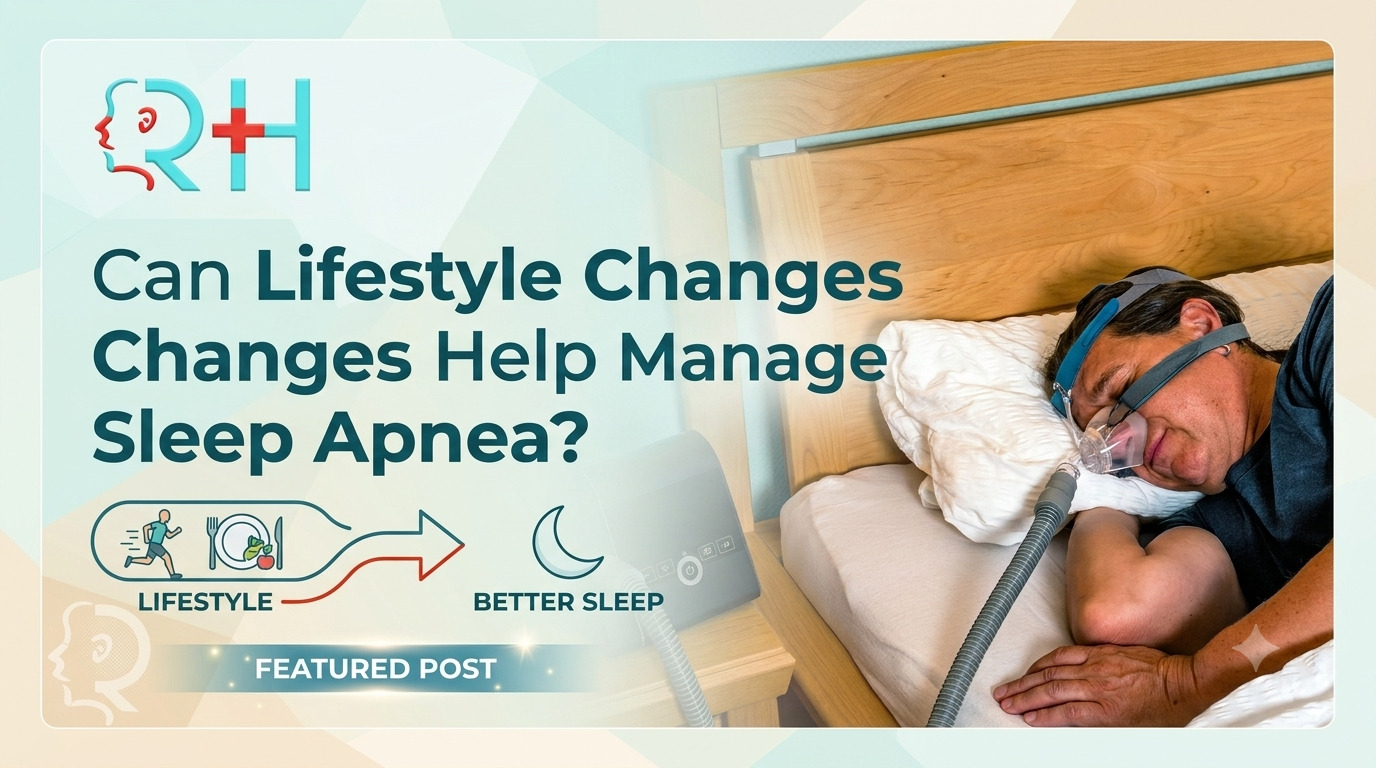
A good night's sleep is essential for maintaining energy, concentration, and overall health. However, for people with sleep apnea, restful sleep can become a daily challenge. Frequent interruptions in breathing during sleep may cause loud snoring, morning headaches, daytime fatigue, and difficulty concentrating. The good news is that certain lifestyle changes can help manage sleep apnea symptoms and improve sleep quality. But can healthy habits alone treat this condition?
Yes, lifestyle changes can help manage obstructive sleep apnea, particularly when excess weight, alcohol consumption, or sleeping position contributes to the problem. However, lifestyle modifications may not be sufficient for everyone, and some patients require medical treatment such as continuous positive airway pressure (CPAP) therapy or other interventions.
Understanding the relationship between everyday habits and sleep-disordered breathing can help you make informed decisions about your health. If you experience persistent snoring, choking during sleep, or excessive daytime sleepiness, consulting an ENT specialist can help identify the cause and determine the appropriate treatment.
What Is Sleep Apnea and Why Does It Occur?
Sleep apnea is a sleep-related breathing disorder in which breathing repeatedly stops or becomes significantly reduced during sleep. These interruptions can reduce oxygen levels and disturb the normal sleep cycle, preventing the body from getting adequate restorative rest.
The most common type is obstructive sleep apnea (OSA), which occurs when the upper airway becomes partially or completely blocked during sleep. Relaxation of the throat muscles, excess tissue around the airway, certain anatomical features, and excess body weight can contribute to this obstruction.
Common symptoms of sleep apnea include:
- Loud, persistent snoring.
- Pauses in breathing noticed by a sleeping partner.
- Gasping, choking, or snorting during sleep.
- Waking up frequently throughout the night.
- Morning headaches or dry mouth.
- Excessive daytime sleepiness and fatigue.
- Difficulty concentrating or remembering things.
- Irritability and changes in mood.
Although snoring is common, it does not always indicate sleep apnea. However, loud snoring accompanied by breathing pauses or daytime sleepiness should not be ignored. An appropriate medical evaluation can help determine whether sleep apnea is present.
Can Lifestyle Changes Help Manage Sleep Apnea?
Lifestyle modifications can play an important role in sleep apnea management. They may reduce symptom severity, improve sleep quality, and support the effectiveness of prescribed treatment.
However, the results depend on the severity of the condition, its underlying causes, and the patient's overall health. Lifestyle changes are generally more effective as part of a comprehensive treatment plan rather than as a replacement for medical care.
Here are six practical lifestyle changes that may help manage sleep apnea.
1. Maintain a Healthy Body Weight
Excess body weight is an important risk factor for obstructive sleep apnea. Fat deposits around the neck and upper airway can increase the likelihood of airway narrowing during sleep.
For people who are overweight or have obesity, gradual and sustainable weight loss may help reduce the severity of obstructive sleep apnea. In some cases, it can significantly improve symptoms, although it does not guarantee that the condition will disappear.
Consider these healthy habits:
- Eat balanced meals containing vegetables, fruits, whole grains, and lean protein.
- Control portion sizes and limit frequent consumption of highly processed foods.
- Include regular physical activity in your daily routine.
- Set realistic weight-management goals.
- Seek professional guidance if you need help developing a sustainable plan.
Important: Weight loss should not delay necessary sleep apnea treatment. Even people who maintain a healthy body weight can develop obstructive sleep apnea because of anatomical characteristics or other risk factors.
2. Change Your Sleeping Position
Did you know that your sleeping position can influence your breathing during the night?
For some people, obstructive sleep apnea becomes worse when sleeping on their back. In this position, gravity can encourage the tongue and soft tissues of the throat to move backward, narrowing the airway.
Sleeping on your side may help reduce breathing interruptions in people whose sleep apnea is position-dependent.
You can try the following approaches:
- Practise sleeping on your side instead of your back.
- Use a comfortable pillow that supports your head and neck.
- Maintain a sleeping position that allows you to breathe comfortably.
- Discuss positional therapy with a healthcare professional if your symptoms persist.
Positional therapy is not equally effective for everyone. People with moderate or severe sleep apnea may still require CPAP therapy or other medical interventions, even if their symptoms improve when sleeping on their side.
3. Avoid Alcohol Before Bedtime
Alcohol can relax the muscles that support the upper airway. This relaxation may increase airway obstruction and worsen sleep-disordered breathing in susceptible individuals.
Consuming alcohol close to bedtime may also disrupt normal sleep patterns and increase the severity of snoring in some people.
To support better sleep apnea symptom management:
- Avoid alcohol, particularly in the hours before bedtime.
- Discuss alcohol consumption with your healthcare provider if you have diagnosed sleep apnea.
- Avoid combining alcohol with sedatives or sleeping medications unless specifically directed by your doctor.
- Ask your doctor about safer strategies if you regularly use medication to help you sleep.
Reducing alcohol consumption may improve symptoms for some individuals, but it should not be considered a standalone sleep apnea treatment.
4. Follow a Consistent Sleep Schedule
Maintaining a regular sleep routine can support sleep quality, energy levels, and overall well-being. Although good sleep habits do not directly eliminate airway obstruction, they can help address sleep-related difficulties associated with sleep apnea.
Try these practical sleep hygiene strategies:
- Go to bed and wake up at approximately the same time every day.
- Create a quiet, comfortable, and dark sleeping environment.
- Limit caffeine consumption late in the day if it interferes with your sleep.
- Reduce screen use before bedtime if it makes it harder to fall asleep.
- Allow sufficient time for sleep according to your age and individual needs.
If you continue to wake up feeling exhausted despite maintaining a regular sleep schedule, an underlying sleep disorder may be responsible. Persistent fatigue should not automatically be attributed to a lack of sleep.
5. Stay Physically Active
Regular physical activity supports cardiovascular health, weight management, and general fitness. These benefits can be particularly valuable for people managing obstructive sleep apnea.
Exercise may help improve sleep apnea severity in some individuals, including through mechanisms that are not entirely dependent on weight loss. However, the degree of improvement varies, and exercise alone is not a reliable treatment for every patient.
Activities you may consider include:
- Brisk walking.
- Cycling.
- Swimming.
- Low-impact aerobic exercises.
- Strength-training exercises suited to your fitness level.
Start with an achievable routine and increase activity gradually. If you have an existing medical condition or have been physically inactive for a long time, consult a healthcare professional before beginning a demanding exercise programme.
Combining physical activity with a balanced diet and appropriate medical treatment can provide a more comprehensive approach to sleep apnea management.
6. Quit Smoking and Manage Nasal Congestion
Smoking can irritate and inflame the upper airway, potentially contributing to swelling and breathing difficulties. Quitting smoking supports respiratory health and may help reduce some symptoms associated with sleep-disordered breathing.
Nasal congestion can also make breathing during sleep more difficult, particularly for people with allergies or chronic nasal problems.
Helpful measures may include:
- Seeking professional support to quit smoking.
- Identifying and managing allergies with appropriate medical guidance.
- Keeping your sleeping environment clean to reduce exposure to allergens.
- Discussing persistent nasal blockage with an ENT doctor.
- Avoiding the prolonged use of nasal decongestant sprays unless advised by a healthcare professional.
Treating nasal congestion may improve comfort and nasal breathing, but it does not necessarily resolve the throat-level airway obstruction responsible for obstructive sleep apnea.
Are Lifestyle Changes Enough to Treat Sleep Apnea?
This is one of the most important questions patients ask when exploring natural ways to manage sleep apnea.
Lifestyle changes can help reduce sleep apnea symptoms, but they are not a substitute for prescribed treatment when clinically indicated. The appropriate approach depends on the type and severity of sleep apnea, associated health conditions, and individual risk factors.
Treatment options may include:
This is one of the most important questions patients ask when exploring natural ways to manage sleep apnea. Lifestyle changes can help reduce sleep apnea symptoms, but they are not a substitute for prescribed treatment when medically necessary. The appropriate approach depends on the type and severity of sleep apnea, associated health conditions, and individual risk factors.
Sleep apnea treatment options include lifestyle modifications, CPAP therapy, oral appliances, positional therapy, and selected surgical procedures. Lifestyle modifications support weight management, improve general health, and may reduce certain contributing factors. Continuous Positive Airway Pressure (CPAP) therapy uses a continuous flow of air to help keep the upper airway open during sleep. Oral appliances are custom-fitted devices that reposition the jaw or tongue to help maintain airway patency. Positional therapy helps prevent sleeping positions that worsen position-dependent obstructive sleep apnea. In selected patients, surgical procedures may address anatomical abnormalities contributing to airway obstruction.
A healthcare professional can assess your condition and recommend the most appropriate treatment plan. Some patients benefit from combining lifestyle changes with medical treatment to achieve better symptom management and improve sleep quality. If you already use a CPAP machine, do not discontinue it simply because your symptoms improve after making lifestyle changes. Always consult your doctor before modifying your treatment plan.
How Is Sleep Apnea Diagnosed?
Lifestyle changes are useful, but identifying the underlying breathing disorder is essential for effective treatment.
A healthcare professional may review your symptoms, medical history, sleeping habits, and physical examination findings. If sleep apnea is suspected, a sleep study may be recommended.
Depending on the circumstances, testing may involve a home sleep apnea test or an overnight polysomnography study conducted in a sleep laboratory.
These tests help assess breathing patterns, oxygen levels, and other relevant physiological measurements during sleep.
The results help determine whether sleep apnea is present and guide decisions about treatment. An ENT specialist may also evaluate nasal obstruction, enlarged tonsils, or other anatomical factors that could contribute to breathing difficulties.
When Should You Consult an ENT Specialist
Occasional snoring may not indicate a serious problem, but persistent symptoms deserve attention, particularly when they interfere with daily activities or affect breathing during sleep.
Consider seeking medical evaluation if you experience:
- Loud, habitual snoring.
- Repeated pauses in breathing during sleep.
- Waking up gasping or choking.
- Persistent daytime sleepiness despite adequate time in bed.
- Morning headaches or unrefreshing sleep.
- Difficulty concentrating because of poor sleep quality.
If you are searching for Sleep Apnea Treatment in Jaipur, consider consulting an experienced ENT Specialist in Jaipur who can assess your symptoms and guide you towards appropriate diagnostic testing or treatment.
An ENT Doctor in Jaipur may evaluate nasal and throat abnormalities, while a sleep medicine specialist may help with sleep testing and ongoing management. Depending on your needs, a multidisciplinary approach may be recommended.
When choosing an ENT Hospital in Jaipur consider the availability of appropriate diagnostic services, qualified specialists, access to sleep studies, and the ability to coordinate follow-up care.
An ENT Surgeon in Jaipur may be involved when a structural abnormality contributes to airway obstruction and surgery is considered appropriate. Surgery is not necessary for every patient with sleep apnea, and treatment decisions should be based on individual assessment.
Early evaluation can help you understand the cause of your symptoms and avoid relying on lifestyle changes alone when additional treatment is needed.
Conclusion
Lifestyle changes can make a meaningful contribution to sleep apnea management. Maintaining a healthy weight, sleeping on your side when appropriate, avoiding alcohol before bedtime, exercising regularly, quitting smoking, and following consistent sleep habits may improve symptoms and support better overall health.
However, healthy habits alone may not provide adequate sleep apnea treatment, particularly when breathing interruptions are frequent or severe. Proper diagnosis and an individualized treatment plan remain essential for managing the condition effectively.
If you experience persistent snoring, disrupted sleep, or unexplained daytime fatigue, do not ignore these warning signs. Consulting an ENT Specialist in Jaipur or another qualified sleep healthcare professional can help you understand your symptoms and explore appropriate treatment options.
Better sleep begins with understanding the problem, making informed lifestyle choices, and seeking medical care when needed