Ear, nose, and throat problems do not always begin with obvious symptoms. Sometimes, a person may experience mild ear discomfort, frequent headaches, occasional nasal blockage, changes in voice, or difficulty swallowing without understanding the underlying reason. These symptoms may appear harmless initially, but they can sometimes indicate conditions that require proper medical attention. Identifying the actual cause early can help prevent complications and support better long-term health.
An ENT Specialist in Jaipur plays an important role in identifying hidden conditions affecting the ears, nose, throat, and related structures. Through detailed examinations, diagnostic procedures, medical history reviews, and specialised investigations, ENT experts can detect problems that may not be noticeable during everyday activities. Understanding how these conditions are identified can help patients make informed decisions about their healthcare.
Understanding Hidden Ear, Nose and Throat Problems
ENT conditions can affect different parts of the upper respiratory system and hearing mechanism. Some disorders develop gradually, making their symptoms difficult to recognise. For example, a person with an ear condition may experience temporary hearing difficulties, while someone with a nasal disorder may struggle with persistent congestion or reduced smell.
An experienced ENT Doctor in Jaipur evaluates these symptoms by considering their frequency, duration, severity, and possible underlying causes. Instead of focusing only on the visible discomfort, the doctor examines how different structures function together.
Common ENT conditions that may remain unnoticed initially include:
- Chronic sinusitis and recurring nasal infections.
- Deviated nasal septum and nasal obstruction.
- Ear infections and fluid accumulation.
- Hearing loss and tinnitus.
- Enlarged adenoids and tonsils.
- Vocal cord disorders and persistent hoarseness.
- Sleep-related breathing difficulties.
- Nasal polyps and allergic rhinitis.
Recognising these conditions early can help patients receive appropriate treatment before symptoms significantly affect their daily lives.
How Does an ENT Specialist Identify Hidden Problems?
Identifying an ENT condition requires more than simply checking the affected area. Doctors follow a systematic approach to understand the symptoms and investigate possible causes.
1. Reviewing Medical History and Symptoms
The first step usually involves understanding the patient's medical history. The specialist asks questions about existing symptoms, previous infections, allergies, medications, lifestyle habits, and family medical history.
For example, repeated headaches accompanied by nasal congestion may indicate a sinus-related condition. Similarly, frequent throat irritation and voice changes may require an examination of the vocal cords.
A detailed consultation helps an ENT Specialist in Jaipur understand the possible connection between different symptoms and determine which diagnostic investigations may be necessary.
2. Examining the Ear Canal and Eardrum
Ear problems are not always associated with pain. Some individuals experience gradual hearing loss, ringing sensations, ear fullness, or balance difficulties without experiencing noticeable discomfort.
An ENT examination may involve otoscopy, a procedure that allows the doctor to inspect the ear canal and eardrum using a specialised instrument.
This examination can help identify:
- Earwax accumulation.
- Middle ear infections.
- Eardrum damage.
- Inflammation or swelling.
- Signs of fluid behind the eardrum.
Depending on the findings, an ENT Doctor in Jaipur may recommend additional hearing assessments to understand whether the problem involves sound transmission or the inner ear.
3. Investigating Persistent Nasal Blockage
Constant nasal congestion is often treated as a common cold or seasonal allergy. However, persistent blockage may sometimes result from structural or inflammatory conditions.
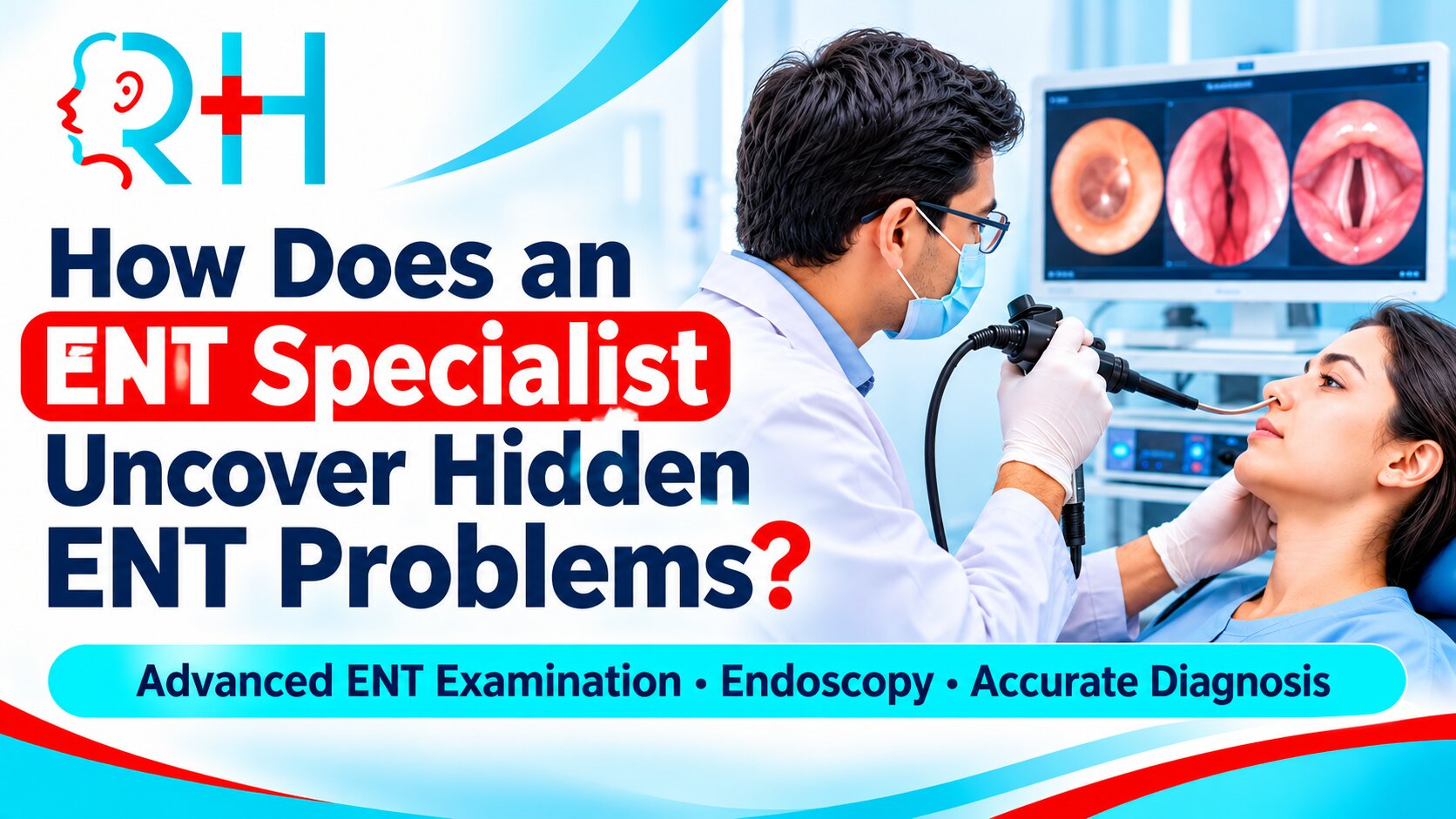
An ENT specialist may perform anterior rhinoscopy or nasal endoscopy to examine the nasal passages more closely. Nasal endoscopy uses a thin instrument with a camera to visualise internal structures.
It can help detect conditions such as:
- Deviated nasal septum.
- Nasal polyps.
- Chronic inflammation.
- Enlarged nasal turbinates.
- Sinus drainage problems.
In selected cases, imaging investigations such as a CT scan may be recommended to evaluate the sinuses and surrounding structures in greater detail.
4. Evaluating Hearing and Balance Functions
Hearing difficulties can develop gradually, making them difficult to recognise during the early stages. Some people may notice that they frequently increase television volume or struggle to understand conversations in crowded environments.
An ENT specialist may recommend audiometry to measure hearing ability across different sound frequencies.
Other investigations may include:
- Tympanometry to assess eardrum movement and middle ear function.
- Speech audiometry to evaluate speech recognition.
- Balance assessments when dizziness or vertigo is present.
These tests help an ENT Surgeon in Jaipur or other ENT specialist understand the nature of the problem and determine whether medical treatment, monitoring, hearing support, or further evaluation is required.
5. Examining the Throat and Vocal Cords
Persistent hoarseness, difficulty swallowing, throat discomfort, and frequent voice changes should not always be ignored.
A detailed throat examination helps identify inflammation, enlarged tonsils, infections, and other abnormalities. When necessary, the specialist may perform laryngoscopy to examine the voice box and vocal cords.
This procedure can help investigate:
- Vocal cord inflammation.
- Vocal cord nodules or lesions.
- Persistent voice changes.
- Swallowing-related concerns.
- Structural abnormalities.
People experiencing unexplained hoarseness, particularly when it persists for more than two to three weeks, should seek medical evaluation.
6. Recommending Advanced Diagnostic Investigations
Sometimes, a routine physical examination may not provide enough information to identify the underlying condition. In such situations, additional diagnostic investigations may be recommended based on individual symptoms.
These may include:
CT Scan: Helps evaluate sinus conditions, nasal structures, and certain ear-related abnormalities.
MRI Scan: May be useful when investigating selected soft tissue, nerve-related, or inner ear conditions.
Allergy Testing: Helps identify specific allergens that may contribute to recurring nasal symptoms.
Sleep Studies: May be recommended when sleep apnea or other sleep-related breathing disorders are suspected.
A qualified ENT Specialist in Jaipur selects investigations according to the patient's symptoms rather than recommending unnecessary tests.
Why Is Early Diagnosis Important for ENT Conditions?
Many ENT conditions can become more difficult to manage when diagnosis is delayed. Persistent infections, untreated hearing difficulties, chronic nasal obstruction, and ongoing throat problems may gradually affect sleep, communication, concentration, and overall comfort.
Early diagnosis offers several important benefits:
- Helps identify the actual cause of recurring symptoms.
- Supports timely and appropriate medical treatment.
- Reduces the possibility of avoidable complications.
- Helps preserve hearing and normal breathing functions.
- Improves communication, sleep quality, and daily comfort.
- Allows patients to understand available treatment options.
Consulting an experienced ENT Doctor in Jaipur when symptoms persist can help patients receive a proper assessment and a treatment plan based on their specific condition.
When Should You Consult an ENT Surgeon?
Not every ENT problem requires surgery. Many conditions can be managed through medications, lifestyle adjustments, allergy management, or other non-surgical treatments.
However, certain structural abnormalities and advanced conditions may require surgical evaluation.
An ENT Surgeon in Jaipur may assess patients experiencing:
- Severe nasal obstruction due to a deviated septum.
- Nasal polyps that do not respond adequately to medical treatment.
- Recurrent tonsil or adenoid problems requiring surgical consideration.
- Selected chronic sinus conditions.
- Certain ear disorders affecting hearing or middle ear function.
- Specific vocal cord or throat abnormalities.
Surgical decisions depend on the diagnosis, symptom severity, previous treatment response, and overall health of the patient. A specialist explains the expected benefits, possible risks, and alternative treatments before recommending a procedure.
How to Choose the Right ENT Specialist for Your Needs?
Selecting an appropriate ENT specialist is an important part of managing ear, nose, and throat conditions. Patients should consider the doctor's qualifications, clinical experience, diagnostic approach, available facilities, and ability to explain treatment options clearly.
Here are some factors worth considering:
Relevant Experience: Choose a specialist with experience in evaluating the specific ear, nose, or throat condition you are experiencing.
Diagnostic Facilities: Access to appropriate examination equipment and diagnostic investigations can support accurate evaluation.
Clear Communication: A good doctor should explain the diagnosis, treatment options, and expected recovery process in understandable language.
Individualised Treatment: Treatment should be based on the patient's symptoms, medical history, and diagnostic findings.
Follow-Up Care: Regular follow-up appointments may help monitor recovery and identify recurring problems.
For patients looking for specialised ENT care, Raj ENT Hospital provides a healthcare setting where ear, nose, and throat concerns can be evaluated with attention to individual symptoms and treatment requirements.
Conclusion
Hidden ENT problems can sometimes develop without causing severe or noticeable symptoms. Persistent nasal blockage, gradual hearing changes, recurring throat irritation, and unexplained dizziness may indicate underlying conditions that require professional evaluation.
Through medical history assessment, physical examinations, endoscopy, hearing tests, and selected diagnostic investigations, ENT specialists can identify the causes behind these symptoms and recommend suitable treatment approaches.
Seeking timely guidance from an experienced ENT Specialist in Jaipur can help patients understand their condition, explore appropriate treatment options, and maintain better ear, nose, and throat health. Paying attention to early warning signs is an important step towards protecting long-term well-being.

Dr. Lalit Kiran Saini
Senior ENT Surgeon & Consultant at Raj ENT Hospital, Jaipur. With over 15+ years of clinical excellence, Dr. Saini specializes in microscopic ear surgery, endoscopic sinus surgery (FESS), cochlear implants, pediatric ENT care, and head & neck surgery.
Medical Disclaimer: The information in this article is published for educational and awareness purposes only and should not be used as a substitute for professional medical advice, clinical diagnosis, or medical treatment. Please consult a qualified ENT specialist at Raj ENT Hospital regarding any specific symptoms or health condition.