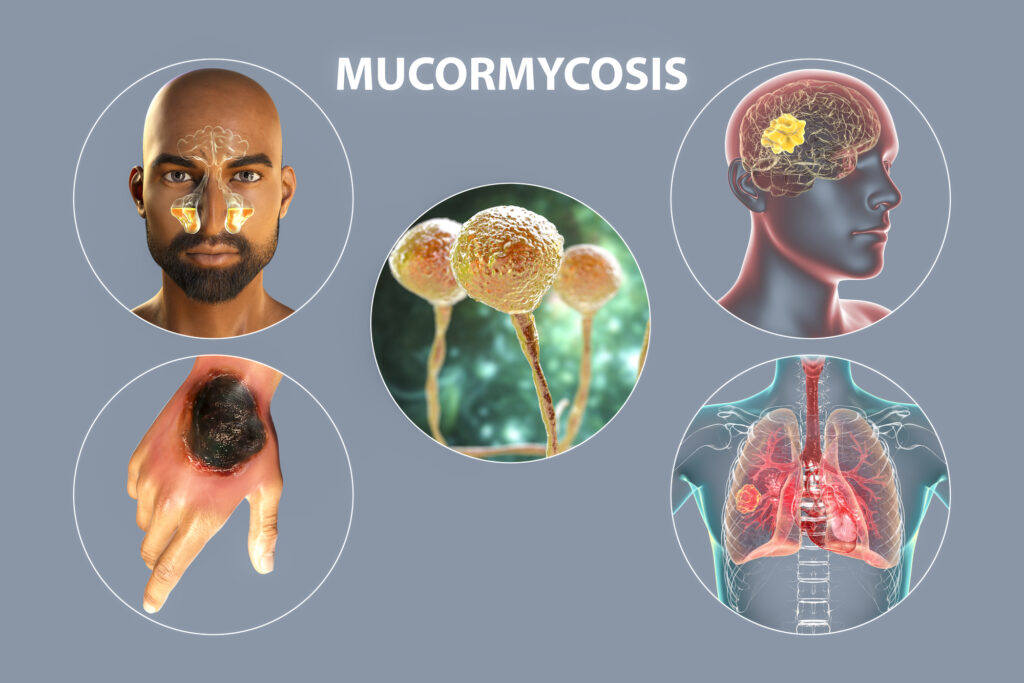
Black fungus, medically known as mucormycosis, is a rare but serious fungal infection caused by exposure to mucormycetes spores present in the environment. These fungi are commonly found in soil, decaying organic matter such as leaves, compost, and wood. The infection can also develop when fungal spores enter the body through cuts, burns, or other skin injuries. It mainly affects individuals with weakened immune systems or underlying health conditions.
This infection has gained attention especially among individuals with compromised immunity, including those recovering from severe illnesses or undergoing treatments that reduce the body’s ability to fight infections.
Book AppointmentCauses of Black Fungus
Mucormycosis is caused by a group of fungi called mucormycetes. Several risk factors increase the chances of infection:
- Weakened Immune System: Individuals with conditions like diabetes, HIV/AIDS, or other chronic illnesses are at higher risk.
- Steroid Use: Prolonged or excessive use of corticosteroids can suppress immunity and increase susceptibility.
- Poorly Managed Diabetes: High blood sugar levels create a favorable environment for fungal growth.
- Underlying Health Conditions: Cancer, organ transplant, or severe injuries can increase vulnerability.
- Post-Infection Complications: Individuals recovering from major infections may have reduced immunity, increasing risk.
Preventive care, proper medical management, and maintaining overall health are important to reduce the risk of infection.
Symptoms of Black Fungus
Symptoms of mucormycosis can vary depending on the affected area, but common signs include:
- Nasal Symptoms: Blocked nose, nasal discharge, bleeding, or pain in the nasal area.
- Facial Symptoms: Swelling, pain, or black lesions around the nose and eyes.
- Oral Symptoms: Mouth ulcers or black discoloration inside the mouth or palate.
- Eye Symptoms: Redness, swelling, blurred or double vision.
- Systemic Symptoms: Fever, fatigue, and headache.
Symptoms may differ from person to person. Early recognition and immediate medical attention are crucial, especially for individuals with existing health conditions.
Treatment of Black Fungus in Jaipur
Treatment of mucormycosis requires urgent and aggressive medical care. Common treatment methods include:
- Antifungal Medications: Administration of strong antifungal drugs such as amphotericin B.
- Surgical Debridement: Removal of infected tissue to prevent the spread of infection.
- Management of Underlying Conditions: Controlling diabetes and other health issues.
- Reduction of Steroid Use: Limiting or stopping immunosuppressive medications when possible.
- Multidisciplinary Care: Coordination between ENT specialists, physicians, and other experts.
- Regular Monitoring: Continuous evaluation and adjustment of treatment plans.
Early diagnosis and prompt treatment significantly improve recovery chances. High-risk individuals should remain alert and seek immediate medical care if symptoms appear.
For advanced and reliable Black Fungus Treatment in Jaipur, patients can trust Raj ENT Hospital. With experienced specialists and modern medical facilities, the hospital offers timely diagnosis and comprehensive care for mucormycosis. A multidisciplinary approach ensures effective treatment and better recovery outcomes, making Raj ENT Hospital a preferred choice for expert fungal infection management in Jaipur.