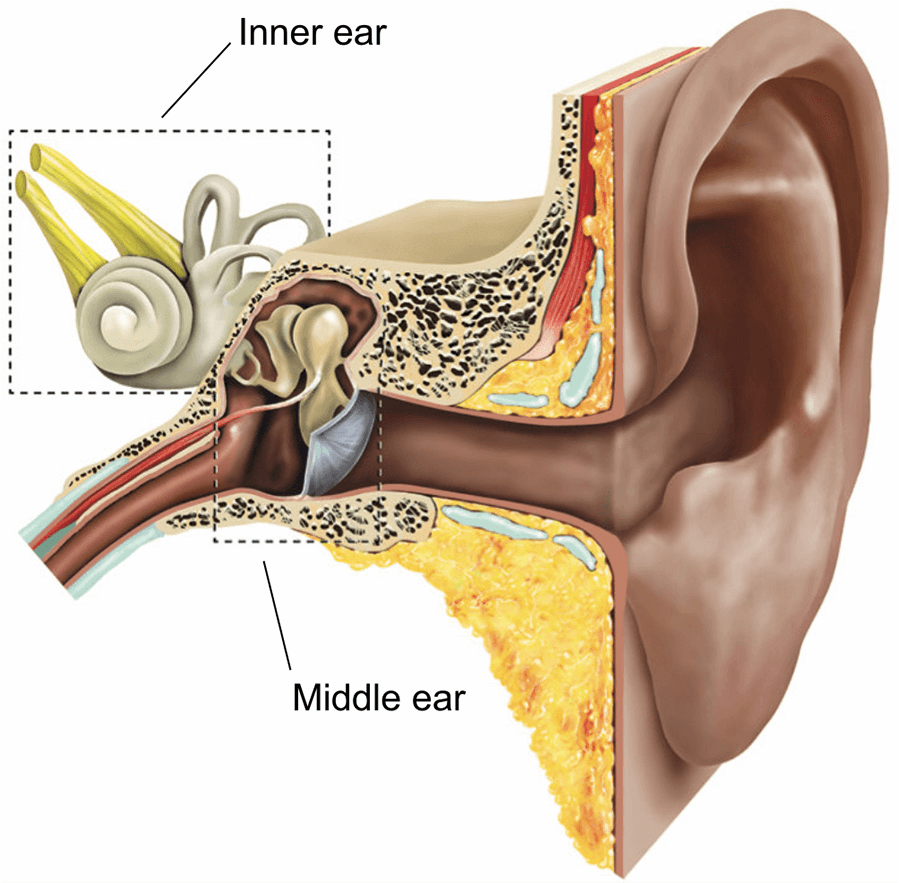
Stapedectomy is a surgical procedure that involves the removal of the stapes bone in the middle ear and its replacement with a prosthetic device. This Stapedectomy Surgery in Jaipur is typically performed to treat hearing loss caused by otosclerosis — a condition where abnormal bone growth in the middle ear interferes with the transmission of sound. Stapedectomy aims to improve hearing by restoring the normal movement of the stapes bone and facilitating sound conduction in the ear.
Book AppointmentWhich Diagnostic Tests Are Necessary Before Stapedectomy?
Prior to stapedectomy, a series of diagnostic tests are usually performed to assess the patient's hearing and suitability for the procedure:
- Audiological Evaluation Measures hearing thresholds at various frequencies to assess the extent of hearing loss.
- Imaging Studies High-resolution CT scan of the temporal bone provides detailed images of the ear structures, helping identify abnormalities like otosclerosis.
- Medical History and Physical Examination A detailed medical history is taken to understand the patient's overall health and any previous ear-related issues.
- Blood Tests Certain blood tests may be conducted to rule out underlying medical conditions before surgery.
These tests help the ENT specialist assess for hearing loss, otosclerosis, or other middle ear conditions, and the overall health of the auditory system. The results inform the decision-making process for the stapedectomy procedure.
Benefits of Stapedectomy Surgery
- Improved Hearing Highly effective in improving hearing for individuals with otosclerosis. By replacing the fixed stapes bone with a prosthetic device, the surgery helps restore normal transmission of sound vibrations.
- Correction of Conductive Hearing Loss Otosclerosis typically results in conductive hearing loss. Stapedectomy addresses this issue, leading to significant improvement in hearing ability.
- Improved Speech Perception Enhanced transmission of sound waves to the inner ear improves speech perception and the ability to understand spoken words, particularly in noisy environments.
- Elimination of Tinnitus In some cases, stapedectomy may alleviate or eliminate tinnitus (ringing in the ears) associated with otosclerosis.
- Minimally Invasive Procedure Often performed as a minimally invasive surgery involving a small incision and advanced techniques, contributing to faster recovery and reduced postoperative discomfort.
- Outpatient Procedure Many stapedectomy surgeries are performed on an outpatient basis, allowing patients to return home on the same day as the surgery.
- Quick Recovery Many individuals experience a relatively quick recovery and return to normal activities within a few weeks.
Recovery Tips for Stapedectomy Surgery
Recovery after stapedectomy is an important time to follow specific guidelines to ensure successful treatment and minimize complications:
- Rest and Limit Physical Activity
- Keep the Ear Dry
- Attend Follow-up Appointments
- Avoid Pressure Changes
- Protect the Ear
- Monitor for Signs of Infection
- Gradual Return to Normal Activities
- Communication with Healthcare Providers
In Jaipur, individuals seeking Stapedectomy Surgery in Jaipur can benefit from the expertise at Raj ENT Hospital. As a leading facility for stapedectomy, the hospital boasts experienced doctors skilled in performing this delicate procedure. Choosing Raj ENT Hospital for Stapedectomy Treatment in Jaipur ensures access to quality care, advanced surgical techniques, and comprehensive postoperative support — committed to improving hearing outcomes and enhancing overall patient well-being.