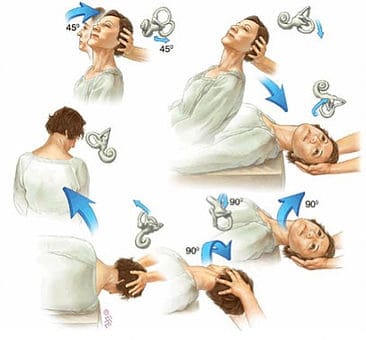
Vertigo is a condition that creates a sensation of spinning or movement, even when a person is completely still. Individuals experiencing vertigo often feel as if they or their surroundings are moving, which can be quite disturbing. It may be accompanied by symptoms such as nausea, vomiting, sweating, and difficulty in maintaining balance or walking. Vertigo is commonly linked to problems in the inner ear, which plays a crucial role in maintaining balance. Disturbances such as displaced crystals, infections, or inflammation in the inner ear can lead to vertigo.
Book AppointmentThere are different types of vertigo :
- Peripheral Vertigo : This type is usually associated with problems in the inner ear. Conditions such as benign paroxysmal positional vertigo (BPPV), vestibular neuritis, and Meniere’s disease fall into this category.
- Central Vertigo: This type is associated with problems in the central nervous system, especially the brain. Causes include migraine, multiple sclerosis, or certain neurological disorders.
- Positional Vertigo: This occurs when a change in head position triggers vertigo, often due to inner ear disturbances.
- Spontaneous Vertigo: Vertigo that occurs suddenly without any specific trigger or head movement.
If a person experiences persistent or severe vertigo, it is important to seek medical attention. A healthcare professional can diagnose the condition accurately and recommend suitable treatment.
Causes of Vertigo
Vertigo can result from several underlying conditions, usually related to the inner ear or central nervous system. Some common causes include:
- Benign Paroxysmal Positional Vertigo (BPPV)
- Vestibular Neuritis
- Meniere's Disease
- Medications
- Head or Neck Injuries
- Dehydration
- Anxiety or Panic Disorders
Each individual may experience vertigo differently. Consulting an ENT specialist is important for proper diagnosis and treatment planning based on the root cause.
Meniere's Disease
Meniere’s disease is a disorder of the inner ear that affects both hearing and balance. It is characterized by severe vertigo episodes, tinnitus (ringing in the ears), hearing loss, and a feeling of fullness or pressure in the ear. These episodes can occur suddenly and may last from a few hours to an entire day.
Causes of Meniere’s Disease :
The exact cause of Meniere’s disease is not fully understood, but it is believed to be linked to abnormal fluid buildup in the inner ear. Possible causes include:
- Abnormal fluid regulation in the inner ear
- Genetic factors
- Circulatory issues
- Autoimmune responses
Vertigo Treatment in Jaipur
Diagnosis of vertigo involves evaluating symptoms, medical history, and conducting tests such as hearing assessments, balance tests, and imaging studies.
- Dietary Changes
- Medications
- Intratympanic Injections
- Vestibular Rehabilitation Therapy (VRT)
Treatment plans are customized according to the patient's condition and response to therapy. Proper medical guidance is essential for managing vertigo effectively.
Individuals experiencing vertigo should seek expert medical care to identify and treat the underlying cause. For effective Vertigo Treatment in Jaipur, patients can consult Raj ENT Hospital. With experienced specialists like Dr. Lalit Kiran Saini and Dr. Yogendra Sutrakar, the hospital provides comprehensive diagnosis and advanced treatment options to help patients regain balance and improve their quality of life.